June 8, 2026
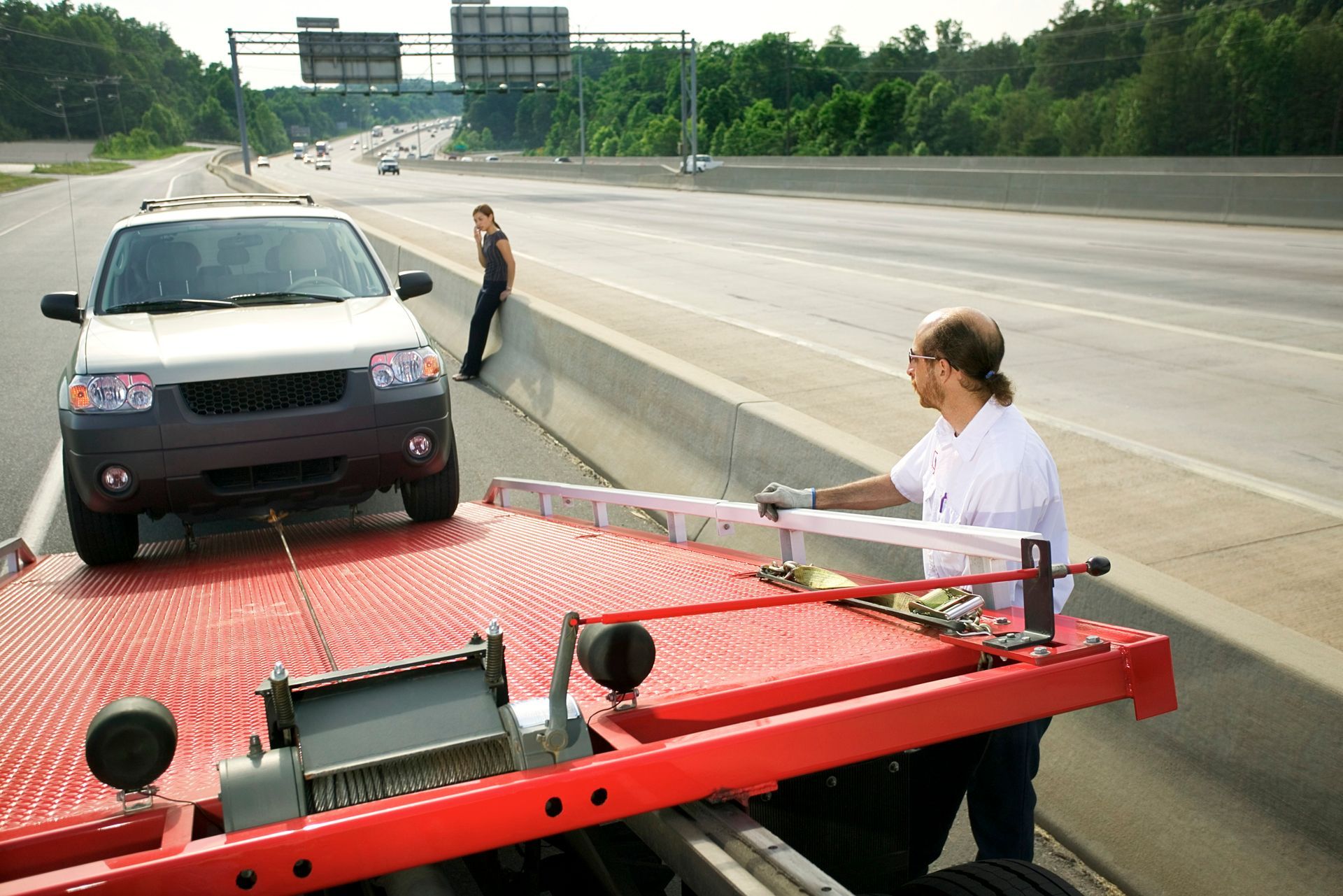
Strounding on the shoulder of a bustling highway or finding oneself stuck in a deserted parking lot due to an unexpected mechanical failure is a universally stressful experience. Vehicle breakdowns, flat tires, and dead batteries rarely happen at convenient moments, leaving motorists vulnerable and anxious to find a quick resolution. In these urgent situations, having a reliable roadside partner can make all the difference between a minor delay and a prolonged nightmare. Choosing a professional local towing service before an emergency occurs ensures that help is just a phone call away when conditions worsen. Unfortunately, many drivers wait until they are actively stranded to search for assistance, resulting in hasty decisions that can lead to exorbitant fees, long wait times, or even vehicle damage. Taking a proactive approach to evaluate operators within the community allows car owners to establish a connection with a reputable firm that prioritizes driver safety and vehicle care over simple financial exploitation. This preparatory research transforms a potentially chaotic emergency into a controlled situation where the motorist retains complete control over the destiny of their automobile.
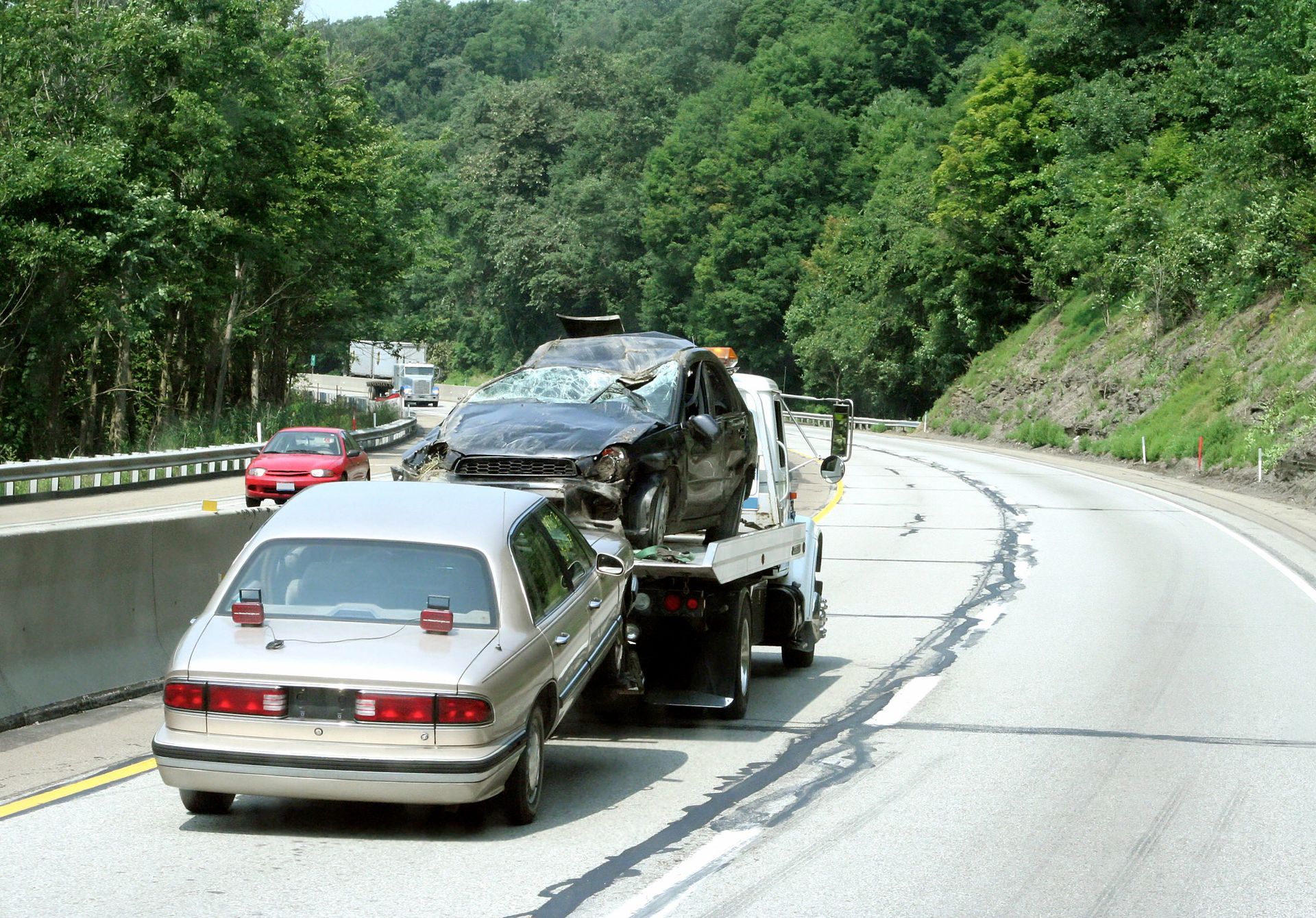
The sheer volume of vehicular relocations highlights the critical nature of this industry across the nation. According to LookUpAPlate, an estimated 55,000 vehicles are towed daily in America. With so many transport operations happening every single day, the market is filled with a vast array of providers, ranging from highly professional organizations to subpar operators. Navigating these choices requires a clear understanding of what distinguishes an exemplary service provider from an untrustworthy competitor. By focusing on specific quality benchmarks, drivers can protect their investments and ensure peace of mind during stressful roadside incidents. Entrusting a vehicle to a qualified local towing service means verifying their operational credentials, reviewing their historical performance, and checking how well their equipment matches specific transport needs.
Evaluation of Response Times
When a vehicle becomes disabled, every minute spent waiting on the roadside increases the risk of secondary traffic collisions and intensifies driver anxiety. Therefore, a primary consideration when selecting a provider is their standard operational speed and efficiency. A reputable local towing service should maintain a decentralized dispatch system that enables operators to reach stranded motorists swiftly. This promptness depends heavily on how efficiently dispatchers communicate with drivers who are already out on patrol. Inquiring about standard arrival windows during non-peak hours and during severe weather conditions provides a realistic expectation of performance. A company that values consumer safety will offer realistic arrival estimates rather than vague promises, keeping the motorist informed throughout the waiting period. Furthermore, rapid dispatch reduces the exposure of the vehicle to environmental hazards or secondary accidents on high-speed roadways, which underscores the value of localized deployment frameworks.
Verification of Licensing and Insurance
Operating a transport vehicle requires specific legal authorizations and substantial financial protections to guarantee that consumers are shielded from liability in the event of an accident. A professional local towing service must carry valid state licenses and comprehensive liability insurance policies that cover both bodily injury and property damage. Furthermore, they should possess specific on-hook coverage, which explicitly protects the consumer's vehicle while it is being lifted and transported. Requesting proof of these credentials should be standard practice for any cautious vehicle owner. Companies that readily display their regulatory compliance demonstrate a commitment to legitimacy, ensuring that if any structural harm occurs to the vehicle during transit, the financial burdens will be fully covered by the operator's insurer. This standard protocol serves as a hallmark of ethical business operations, separating professional transit authorities from fly-by-night operations that use predatory tactics on stranded drivers.
Assessment of Fleet Capabilities
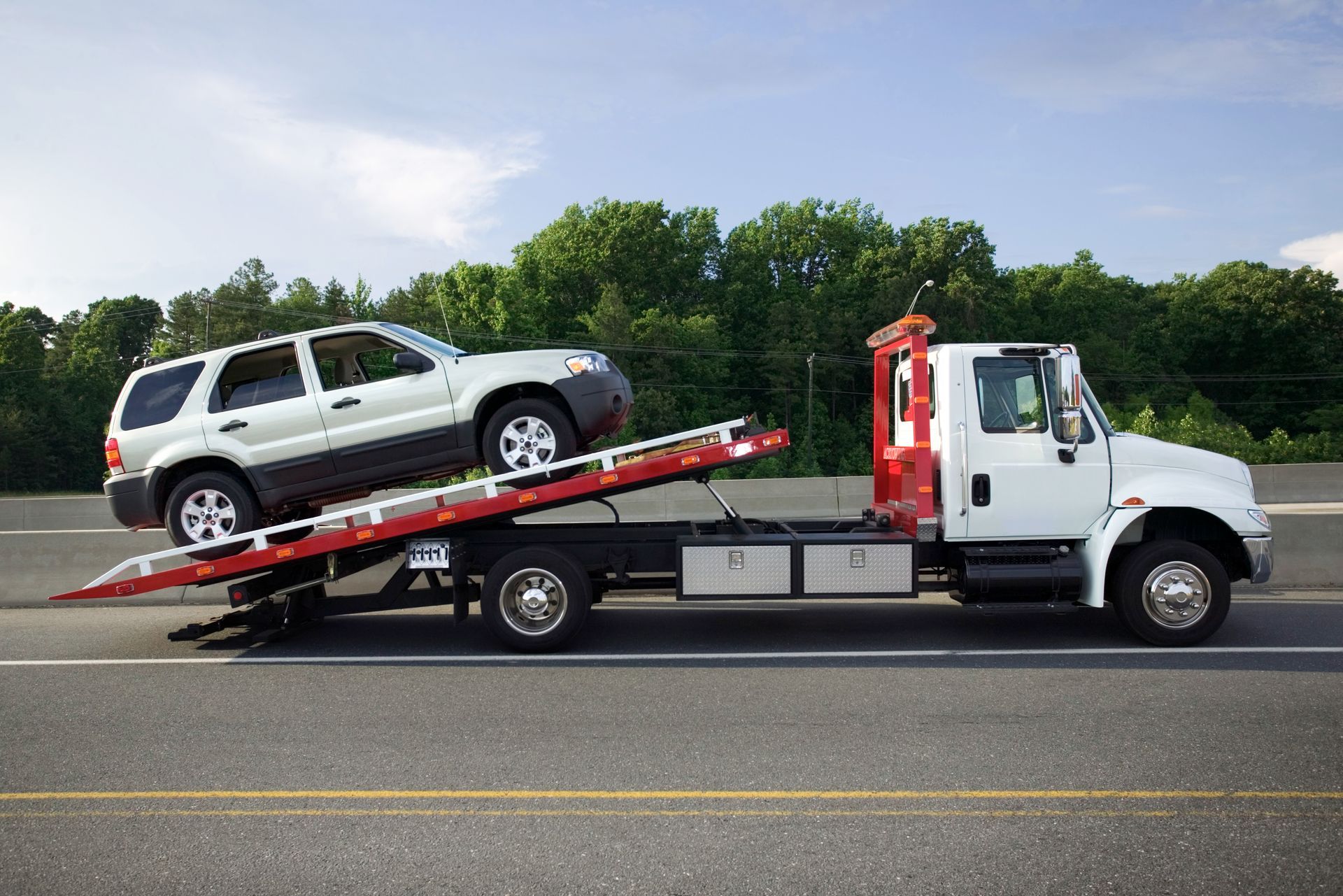
Automobiles vary dramatically in size, weight, and drivetrain configurations, meaning that a single type of transport apparatus cannot accommodate every situation. For example, all-wheel-drive sedans and low-clearance sports cars typically require flatbed transport to prevent severe transmission damage, whereas larger commercial vans might necessitate heavy-duty wreckers. An established local towing service invests heavily in a versatile fleet of recovery vehicles capable of handling diverse roadside scenarios. When evaluating potential companies, it is wise to confirm that their inventory includes modern flatbeds, wheel-lift mechanisms, and specialized recovery tools for off-road extractions. Choosing a provider with diverse equipment ensures that the operator who arrives at the scene will have the exact tools required to secure the vehicle safely without causing secondary mechanical issues.
Analysis of Pricing Transparencies
Unscrupulous practices regarding fees and unexpected surcharges represent a frequent source of consumer complaints within the vehicle recovery industry. To avoid falling victim to predatory practices, vehicle owners must seek providers who practice absolute clarity regarding their financial rates. A dependable local towing service will provide a comprehensive breakdown of costs, including base hook-up fees, mileage rates, and any potential charges for after-hours service or specialized equipment utilization. Requesting a formal itemized quote before authorizing service prevents the addition of hidden gate fees or storage surcharges upon arrival at the destination. Transparency in financial matters indicates an honest operation that values long-term consumer relationships over short-term financial exploitation.
Review of Customer Feedback
Historical performance within the community offers the most accurate reflection of a company's actual operational standards and consumer care philosophies. Examining independent online platforms, community forums, and regulatory bureau listings reveals patterns in how a provider treats motorists during stressful encounters. Look for detailed feedback regarding the professionalism of the drivers, the cleanliness of the equipment, and the willingness of the staff to assist with insurance documentation. While isolated negative remarks can occur in any customer-centric business, a consistent pattern of praise for courtesy and reliability is an excellent indicator of high standards. Engaging with neighborhood recommendations ensures that the selected operator has earned a strong reputation among local residents through years of consistent assistance.
Confirmation of Geographic Coverage
Roadside emergencies are not confined to city centers or major thoroughfares; they frequently transpire in remote areas or neighboring communities. Consequently, verifying the exact boundaries of a provider's service area is an essential step in the selection process. A comprehensive transit provider should cover a wide geographic perimeter, encompassing suburban zones, rural secondary roads, and major highway systems. Understanding these operational limits prevents situations where an operator refuses assistance due to jurisdictional boundaries. Additionally, confirming that the company has established relationships with regional repair facilities, tire centers, and storage yards streamlines the recovery process, allowing the disabled vehicle to be transported directly to a trusted facility without unnecessary detours.
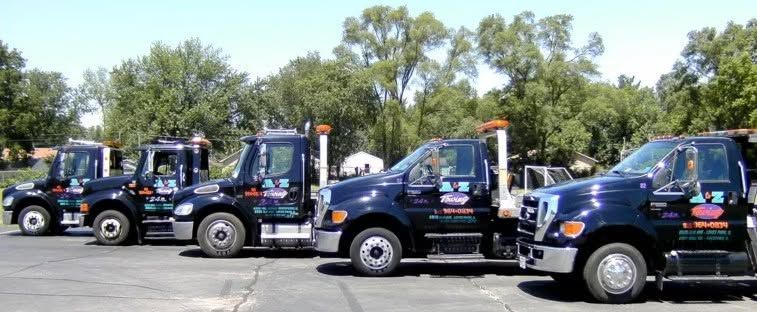
The process of choosing a vehicle recovery provider should never be left to a moment of panic on a dark highway shoulder. By taking the time to analyze response capabilities, legal credentials, fleet diversity, and pricing frameworks ahead of time, motorists can transform a potentially chaotic emergency into a well-managed inconvenience. A trusted recovery partner does more than merely haul a vehicle away; they provide a vital safety net that protects the driver's emotional well-being and physical security during a highly vulnerable moment. Establishing a relationship with a premier operator guarantees that high-quality roadside support is always accessible with a single phone call, allowing drivers to navigate the roads with absolute confidence. At A to Z Towing, we operate with a collective dedication to providing prompt, professional, and entirely transparent roadside solutions throughout our community. Our experienced team stands ready around the clock to safeguard your vehicle, respect your time, and deliver the peace of mind you deserve during any automotive crisis.